What Is RAG? How AI Answers from Your Own Documents
RAG (Retrieval-Augmented Generation) is the technique behind tools like NotebookLM. Instead of relying on trained knowledge (which can be outdated), RAG-powered AI searches your specific documents for relevant passages and uses those as the basis for its answer — dramatically reducing hallucination.
 NotebookLM
 ChatGPTfoundersdevelopersmarketers
Try this starter prompt
Copy and paste this into ChatGPT or Claude with your details filled in. It's a simplified version — the full prompt chain is in the app.
Help me understand when I should use RAG-based tools vs standard AI chat.

My use case: [DESCRIBE WHAT YOU NEED AI TO HELP WITH — e.g. "answering questions from our 200-page product docs"]
My concern: [e.g. "AI keeps hallucinating facts that aren't in our docs"]
My tools: [WHAT YOU CURRENTLY USE — ChatGPT / Claude / Custom tool]

Tell me:
1. Whether this is a good RAG use case and why
2. The simplest no-code RAG solution for my specific situation
3. The one thing that makes RAG fail even when it's set up correctly
4. How to verify that the tool is actually using my documents and not making things up

→ Get the full practical RAG guide in AI School
How it works
- 1
Identify whether your AI task requires factual accuracy from specific documents
- 2
Use NotebookLM for document Q&A or CustomGPT for website chatbots
- 3
Always ask for citations — RAG tools should show you the source passage
- 4
Test with a question where you know the correct answer from your documents
Want the full course?
What Is RAG? How AI Answers from Your Own Documents
Get the practical RAG guide — document Q&A tools, setup walkthroughs, and verification checklist — inside AI School.
Download on the App Store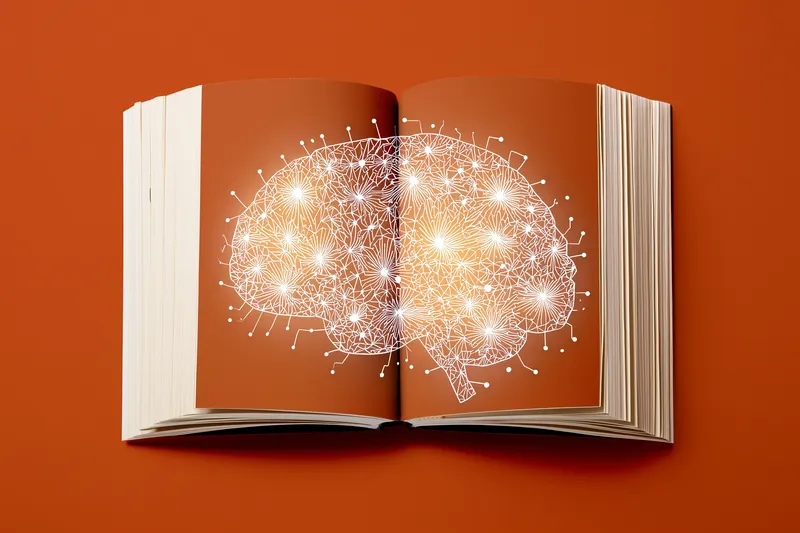
 Claude
 CustomGPT
 Gemini